
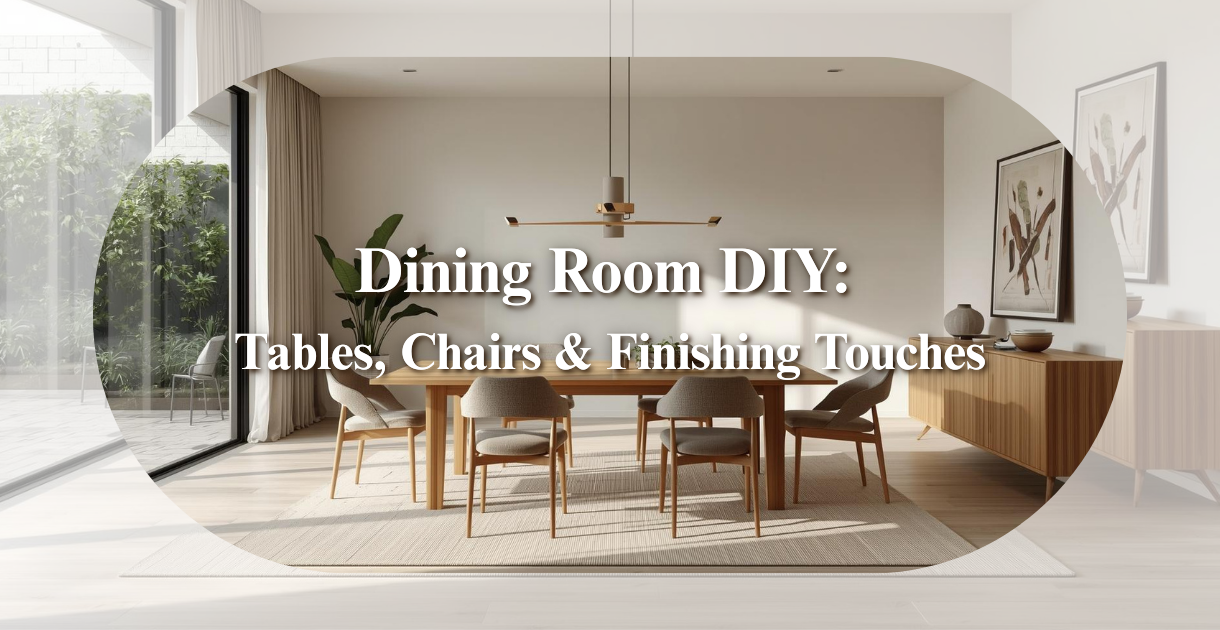
Dining Room DIY: Tables, Chairs & Finishing Touches
Styling your dining room can feel like a big task, but it doesn’t need to be complicated.
Whether you’re setting up a brand-new space or working with what you already have, the key is getting the foundations right first.
At Gatsby Living, we see dining rooms as dynamic spaces that are usually utilized best when function is prioritised, followed by design and style choices that suit personalised preferences and taste. Our curated collections always aim to deliver high quality pieces that are functional, durable and stylish.
This guide is here to help you confidently style your dining room, with plenty of practical tips and helpful recommendations along the way.
Before Anything, Measure First
Before you even look at dining tables or dining chairs, grab a tape measure. This step saves time, money and frustration later.
Start by measuring the overall room size, then map out where the table will sit. You’ll want at least 90-100cm of clearance around the table so people can pull chairs out and move comfortably.
If the dining area sits within an open-plan space, consider walkways between the kitchen, living area and outdoors. These high-traffic zones need extra breathing room.
Next, think about seating needs. How many people do you realistically seat day to day? And how often do you host? A six-seater dining table works well for many Australian households, but if you entertain regularly, an extendable option can be a game changer. It gives you flexibility without dominating the room year-round.
Choosing the Right Dining Table
Your dining table is the anchor of the room, so it’s worth choosing carefully.
- Rectangular dining tables are the most popular choice and suit longer rooms or open-plan layouts.
- Round tables are great for smaller spaces and encourage conversation, with no sharp corners to navigate.
- Oval tables offer the best of both worlds, soft edges with extra seating space.
- Square tables work well in compact or symmetrical rooms.
Materials Matter
Solid timber dining tables are a favourite for their warmth, durability and ability to age beautifully. Engineered timber or veneer options can be more budget-friendly while still offering a high-end look. Stone or ceramic tops are practical for busy households thanks to their resistance to heat and spills, while glass can make a small space feel lighter. It all depends on your preferences.
Think Long-Term
If your table sees daily use, prioritise finishes that can handle wear and tear. Think sealed timber, scratch-resistant surfaces and sturdy leg construction. A beautiful table is great, but a practical one will serve you better long-term. A perfect example of this is our stunningly sturdy Mika V2 Dining Table, offering three different sizes for whatever space you’re working with.
Picking The Right Chairs
Dining chairs are where comfort really comes into play. After all, no one wants to rush dessert because their chair isn’t comfortable.
Get the Height Right
As a general rule, there should be about 25-30cm between the seat of the dining chair and the underside of the table. This allows for comfortable legroom without feeling cramped.
Arms vs Armless
Armless dining chairs, like our new Lincoln Dining Chair, are easy to tuck under the table and work well in smaller spaces. Chairs with arms add comfort and a more relaxed feel, but they do take up more room, so double-check your measurements.
Mix and Match With Intention
You don’t need matching dining chairs all the way around. Mixing styles or materials can add personality, as long as there’s a common thread, like colour, tone or shape. A popular approach is using statement chairs at the ends of the table and simpler chairs along the sides.
Upholstered Options
Upholstered dining chairs feel luxurious and inviting, especially for long meals. If spills are a concern, look for durable fabrics or performance materials that are easy to clean.
Finishing Touches to Make Your Dining Room Divine
Once your dining tables and dining chairs are sorted, it’s time to layer in the finishing touches.
Rugs
A dining room rug placed under the dining table helps to break up the room, provides a clear zone of the eating/hosting area (especially in a more open space), and protects flooring from potential scratches.
The rug should be large enough that all chairs stay on the rug, even when pulled out. This usually means adding at least 60cm beyond the table edges. Flatweave or low-pile rugs are practical choices, as they’re easier to clean and won’t catch chair legs.
Lighting
Pendant lights are a classic dining room choice, providing focused light over the table. Hang them around 75–85cm above the tabletop for the best balance of function and atmosphere. Dimmable lighting is ideal, letting you shift from everyday meals to dinner-party mode with ease.
Centrepieces and Décor
Keep centrepieces low so they don’t block sightlines. A simple bowl, tray or vase works effectively, and can be swapped out seasonally.
Buffet tables are also a great addition, offering extra storage and a surface for customised styling. If you feel overwhelmed by the choice of buffet tables out there, look no further than the Alfred Buffet. This visual masterpiece integrates form and function effortlessly with gorgeous artistic details, significant storage and easy use that grounds the room, without being too loud and overwhelming.
Wall Styling
Artwork, mirrors or a statement wall can help define the dining zone, especially in open-plan homes. Keep proportions in mind: larger walls suit fewer, bigger pieces rather than lots of small ones.
Quick Styling Formulas
1. Anchor + Weight + Float Formula
Rug (anchor) + table (weight) + light (float).
- Rug under the dining table should be big enough that chairs stay on it when pulled out.
- Table centered on rug.
- Light centered on the table, not the room.
2. Rule of 3 (Heights)
Every dining room should hit three vertical levels for a dynamic, cohesive and balanced look.
- Low: rugs, table, chairs.
- Mid: buffet table, sideboard, art/décor.
- High: lighting, tall plants, art/décor.
3. 60–30–10 Color Formula
If you’re nervous: keep 60 + 30 neutral and let the 10% do the personality work.
- 60% dominant (walls, rug)
- 30% secondary (table, chairs, curtains)
- 10% accent (art, centerpiece, lamp shade)
4. Mismatch with Intention
Mismatch does not mean random.
- Same chair shape, different finish OR
- Same finish, different shape.
Never both unless you’re very confident.
5. Soft vs Hard Balance
Dining rooms often include elements like wood, metal and glass. You can soften this visually by adding:
- Rugs / blankets / pillows.
- Upholstered chairs.
- Curtains.
- Greenery.
- Styled Walls.
What to Watch Out For:
- Making everything match, which throws off balance and is visually jarring.
- Choosing a table that’s too small or big for the room.
- Rugs that are too small for the table.
- Forgetting about walkways and chair clearance.
- Hanging lights too high or too low.
- Keeping walls bare.
- Overstyling the table so it’s impractical for daily use.
- Incorporating too many elements which can overwhelm the space, making it feel cluttered and uncomfortable.
Upgrade Your Dining Room Today
Ready to create a dining room that works as beautifully as it looks? Explore the Gatsby Living collection in-store or online and start styling with confidence.
If you’d like to see and feel the pieces in person, visit Gatsby Living in one of our VIC showroom locations, or check out our new store in Aspley, Brisbane. Our team is always happy to help you find the right fit for your space and lifestyle.
